
Written by: Cellular Institute Editorial Team
Medical reviewer: Dr. Matilde Rodríguez – CP 12651081
Laboratory reviewer: Biotecnóloga Diana Navarrete – CP 15029468
Quick Answer
Stem cell therapy for multiple sclerosis (MS) carries real risks and side effects. It is not appropriate for every patient, and outcomes vary significantly depending on disease type, stage, overall health, and the quality of the clinic and protocol. Physician evaluation is required before any treatment can be considered. This article gives you a balanced, realistic picture of what stem cell therapy for MS may involve, what the risks look like, and what questions to ask before you move forward.
What MS Patients Should Know Before Considering Stem Cell Therapy
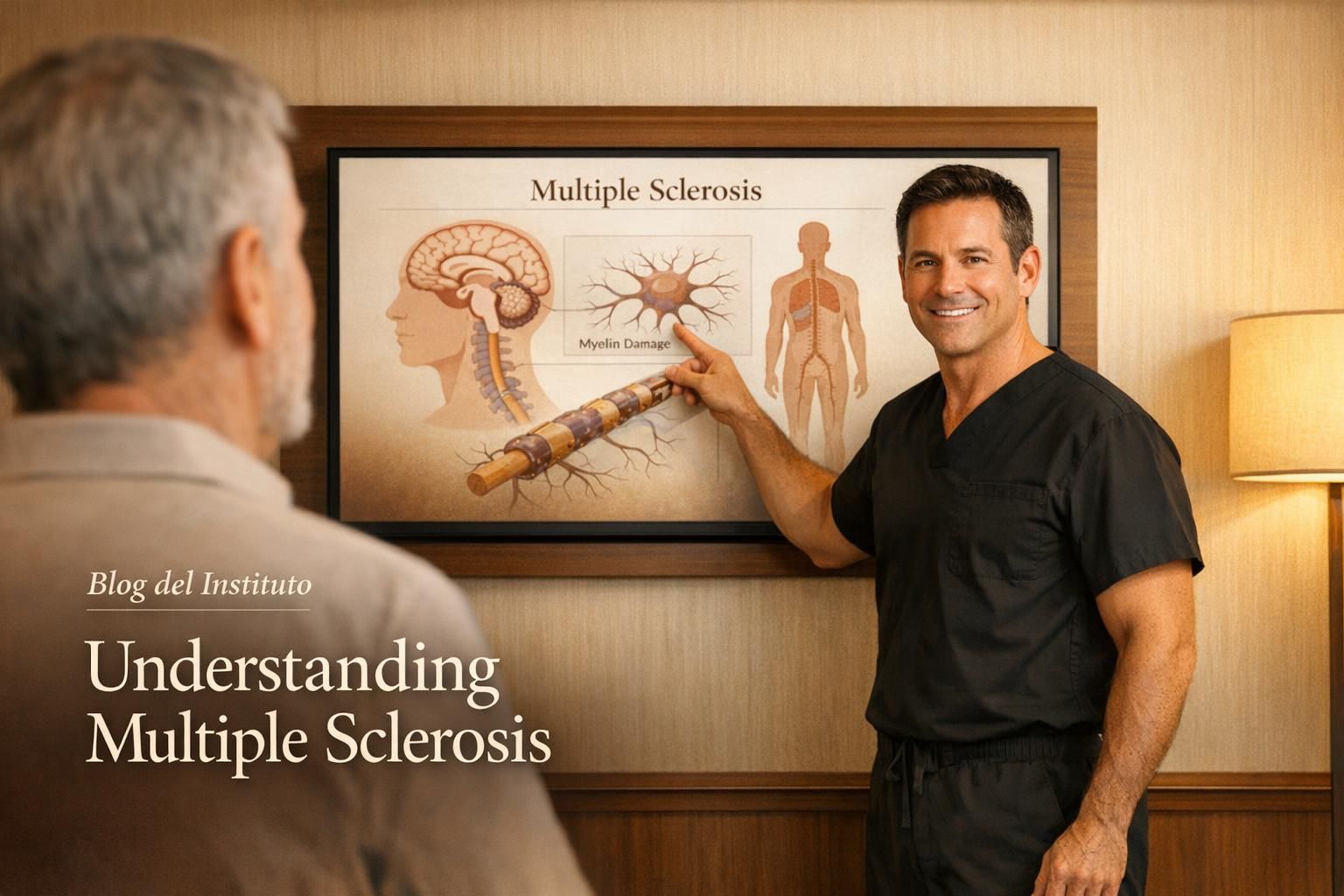
Multiple sclerosis is a complex autoimmune condition. The immune system attacks the myelin sheath that protects nerve fibers. This leads to symptoms that vary widely from person to person, including fatigue, mobility challenges, vision changes, and cognitive difficulty.
Stem cell therapy is not a single procedure. Different approaches exist, and each carries a different risk profile. The most studied type for MS is hematopoietic stem cell transplantation (HSCT), which involves suppressing the immune system and rebuilding it using the patient’s own stem cells. This is an intensive hospital-based procedure with significant risks.
Mesenchymal stem cell (MSC) therapy is a different approach. It uses stem cells with anti-inflammatory and immunomodulatory properties. MSC-based protocols are less aggressive than HSCT and do not involve immune ablation. They carry a different and generally lower risk profile, though they also require rigorous physician evaluation.
Understanding which type is being offered, and why, is one of the most important questions you should ask any clinic.
Known Risks and Side Effects of Stem Cell Therapy for MS
Patients doing due diligence deserve an honest answer. Stem cell therapy for MS can involve meaningful side effects, some of which are serious. The specific risks depend heavily on the type of therapy, the source and quality of the cells, the delivery method, and the patient’s baseline health.
Side Effects Commonly Reported
- Fatigue and flu-like symptoms in the days following treatment, especially with IV protocols
- Temporary inflammatory response as the body processes the introduction of new cells
- Headache and mild fever, particularly in the early post-treatment window
- Injection site reactions if cells are delivered intrathecally or through localized routes
- Temporary worsening of MS symptoms, which some patients experience briefly before any stabilization occurs
More Serious Risks to Understand
- Infection risk, particularly in protocols that involve any degree of immune suppression
- Allergic or hypersensitivity reactions to the cellular product or processing agents
- Neurological changes, including rare reports of symptom exacerbation in some MS patients
- Unknown long-term effects, since long-term data for MSC therapy in MS is still emerging
- Risks related to poor product quality, including contaminated or non-viable cells from clinics without adequate laboratory standards
This last point matters more than many patients realize. The safety of stem cell therapy depends not only on the therapy itself, but on the quality, sterility, and viability of the biologic product used. Working with a clinic that uses certified stem cells with documented quality controls significantly reduces unnecessary risk.
What Affects Quality and Safety in Stem Cell Therapy for MS
Not all stem cell therapies are equal. Two clinics may offer what sounds like the same treatment, but the quality of the product, the medical supervision, the delivery method, and the follow-up process may differ significantly.
Key factors that affect safety and outcomes include:
- Cell source and processing standards: Are cells processed under xeno-free conditions? Is viability and sterility documented?
- Certificate of analysis (COA): Does the clinic provide product documentation for every batch?
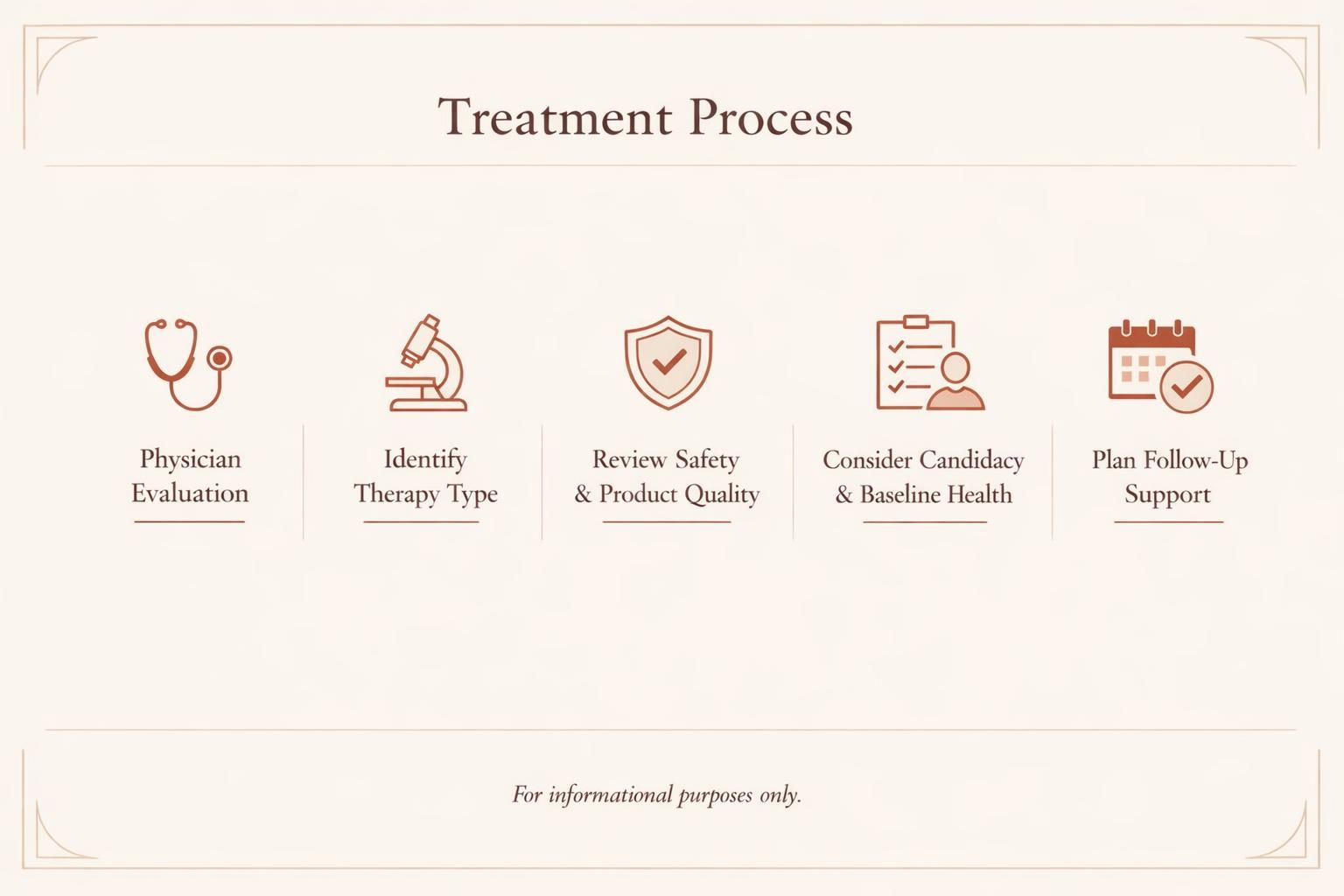
- Physician oversight: Does a licensed physician evaluate your history, MS type, disease stage, and current medications before designing a protocol?
- Delivery method: IV infusion, intrathecal delivery, and other routes carry different risk profiles. The chosen method should match the patient’s clinical picture.
- Complementary support: A thoughtful protocol may also include inflammation-modulating therapies, recovery technologies, and structured follow-up care.
At Cellular Institute, lab quality and transparency are treated as foundational. Biologics go through quality review for viability, sterility, and traceability before any patient receives them. This is the standard that responsible regenerative medicine requires.
Who May Be a Candidate for Stem Cell Therapy for MS
Candidacy for stem cell therapy in MS depends on several clinical factors. A qualified physician must evaluate each case individually. In general, patients who may be considered for evaluation include those with:
- Relapsing-remitting MS with active inflammatory disease activity
- Secondary progressive MS with evidence of ongoing inflammation
- Inadequate response to conventional disease-modifying therapies
- Stable enough baseline health to tolerate a regenerative protocol
- Realistic expectations and willingness to engage in a full protocol, not just a single treatment
MS patients living with significant neurological disability or those with primary progressive disease in advanced stages may face different candidacy considerations. This is why physician evaluation is not optional. It is the starting point.
Our immunology team, led by Dr. Roni Moya, Immunologist, plays a central role in evaluating autoimmune and immune-related conditions like MS before any regenerative protocol is designed.
Who May Not Be an Appropriate Candidate
Stem cell therapy for MS may not be appropriate for patients who:
- Have active infections or uncontrolled systemic illness
- Are in advanced stages of disease with severe neurological damage already present
- Have certain blood disorders or immune conditions that contraindicate the protocol
- Are expecting rapid, dramatic reversal of long-established neurological damage
- Cannot commit to pre-treatment preparation, post-treatment recovery, and follow-up monitoring
Honest candidacy evaluation protects patients. A responsible clinic will not offer treatment to patients who fall outside the appropriate clinical window.
How Cellular Institute Approaches MS and Regenerative Medicine
Cellular Institute does not offer a one-size-fits-all approach to MS. Each patient who inquires about regenerative medicine for MS goes through a structured evaluation process before any protocol is designed.
The clinical team reviews MS type, disease history, current medications, lab results, and overall health status. From there, a personalized protocol may be considered. This can include MSC-based therapy, complementary exosome therapy, inflammation support through advanced therapies, and recovery technologies to support the body during and after treatment.
Cellular Institute’s biologics go through a quality-controlled process through the Cellgenic ecosystem, which includes documentation of viability, sterility, and traceability. Patients receive regenerative medicine in Cancún within a physician-guided, medically responsible environment, not as a quick procedure, but as part of a complete regenerative experience.
International patients also benefit from coordinated medical tourism support. For patients traveling from the United States or Canada, you can explore medical tourism in Mexico to understand the logistics, costs, and coordination available.
Questions to Ask Before Choosing a Clinic for MS Stem Cell Therapy
If you are seriously evaluating stem cell therapy for MS, these questions will help you compare clinics responsibly:
- What type of stem cell therapy do you offer for MS, and why?
- Where do the cells come from, and how are they processed?
- Do you provide a certificate of analysis for each batch?
- Does a physician evaluate my MS type, disease history, and current medications before treatment?
- What are the realistic risks and side effects for a patient in my situation?
- What does the full protocol include, beyond the infusion itself?
- What follow-up support do you provide after treatment?
- What happens if I experience a reaction or symptom worsening after treatment?
Learning how to choose a stem cell clinic in Mexico is one of the most valuable steps you can take before booking anything.

Frequently Asked Questions
Is stem cell therapy for MS safe?
Stem cell therapy for MS carries real risks, and no responsible clinic should claim otherwise. The safety profile depends heavily on the type of therapy, the quality of the biologic product, and the patient’s overall health and MS type. Physician evaluation and high-quality biologics are both essential for minimizing unnecessary risk. You can read more about stem cell therapy safety in Mexico to understand what standards to look for.
How long do results from stem cell therapy for MS last?
Results vary significantly by patient, MS type, disease stage, and protocol quality. Some patients report periods of stability or symptom improvement following treatment, while others experience more modest changes. There are no guarantees. Learn more about how long stem cell therapy results may last and what factors influence the timeline.
What type of stem cell therapy is most commonly used for MS outside of hospital HSCT?
Mesenchymal stem cell (MSC) therapy is the most commonly offered approach in regenerative medicine clinics for MS. Unlike HSCT, MSC therapy does not require immune ablation. It works through anti-inflammatory and immunomodulatory mechanisms. The delivery method, cell quality, and protocol design all influence how it may affect the patient.
Can I combine stem cell therapy with my current MS medications?
This depends entirely on your medications, your MS type, and the specific protocol being considered. Some disease-modifying therapies may affect how stem cells function in the body. A physician must review your current medications carefully before any regenerative protocol begins. Do not adjust or stop medications without guidance from your neurologist and the treating physician at the clinic.
Final Thoughts
Stem cell therapy for MS is not a cure. It is not risk-free. And it is not appropriate for every patient. But for carefully selected candidates, working with a physician-guided, quality-focused clinic, regenerative medicine may offer a meaningful option worth exploring alongside conventional care.
The key is doing your due diligence. Ask about the science. Ask about the cells. Ask about the protocol. And work with a clinic that takes your MS seriously as a complex, individual condition, not a standard procedure.
If you are ready to explore whether you may be a candidate, we encourage you to schedule a discovery call with our team. We will listen, review your case, and give you an honest picture of what may or may not make sense for your situation.
Medical Disclaimer
This article is for educational purposes only and does not replace medical advice, diagnosis, or treatment. Regenerative therapies are not appropriate for every patient, and outcomes vary. A licensed physician must evaluate your medical history, goals, and candidacy before any treatment can be recommended.