
Written by: Cellular Institute Editorial Team
Medical reviewer: Dr. Matilde Rodríguez – CP 12651081
Laboratory reviewer: Biotecnóloga Diana Navarrete – CP 15029468
Quick Answer
Plasma exchange, also called plasmapheresis or therapeutic plasma exchange, is a blood-filtering procedure that removes plasma and replaces it with a substitute solution. Researchers studying long COVID have proposed that it may help reduce circulating inflammatory proteins, immune complexes, and viral debris that some scientists believe drive persistent symptoms. Early observations are cautiously encouraging for certain patients, but plasma exchange is not a proven cure for long COVID, and the evidence base remains limited. Physician evaluation is essential before any patient considers this or any advanced therapeutic approach.
Why Patients with Long COVID Are Asking About Plasma Exchange
Long COVID is a complex, multi-system condition. Many patients experience symptoms that linger for months or even years after recovering from the acute phase of infection. Common persistent symptoms include severe fatigue, cognitive difficulty often called brain fog, joint pain, breathlessness, and immune dysregulation.
Standard care does not resolve symptoms for every patient. This has led many people to research alternative and advanced options, including plasma exchange. The question behind most searches is straightforward: if inflammatory proteins, autoantibodies, or viral fragments are circulating in the blood and driving these symptoms, could removing them help?
It is a reasonable question. And it reflects the genuine frustration many long COVID patients feel after months of being told their symptoms are difficult to explain or treat.
What Plasma Exchange Actually Does
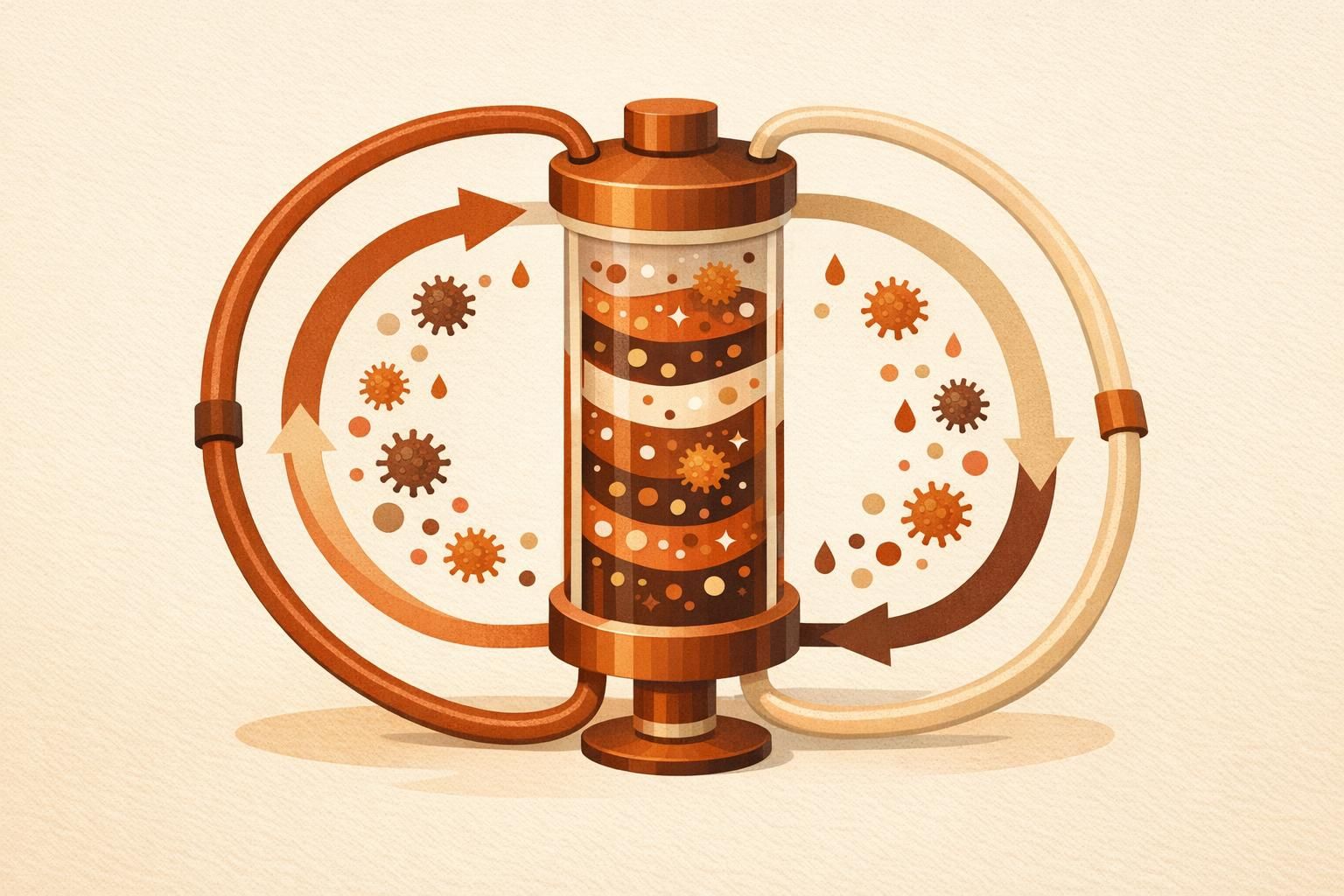
Plasma exchange works by separating blood into its components. The liquid portion, called plasma, carries proteins, antibodies, and other molecules. During the procedure, a portion of the patient’s plasma is removed and replaced with a donor solution, typically albumin or fresh frozen plasma.
The goal is to remove harmful circulating factors. In long COVID, researchers have identified several potential culprits including autoantibodies that may interfere with normal cellular signaling, elevated inflammatory cytokines, microclots, and residual viral antigens. Plasma exchange targets these circulating factors directly.
Some early case series and pilot studies have reported improvements in fatigue, cognition, and exercise tolerance in long COVID patients who underwent plasma exchange. However, these are small studies. Randomized controlled trial data is still emerging. Patients should hold realistic expectations and consult a physician before drawing conclusions.
What Patients Should Know Before Pursuing This Approach
Plasma exchange is not a standard outpatient procedure. It requires clinical infrastructure, medical supervision, and careful patient selection. Not every patient with long COVID is an appropriate candidate.
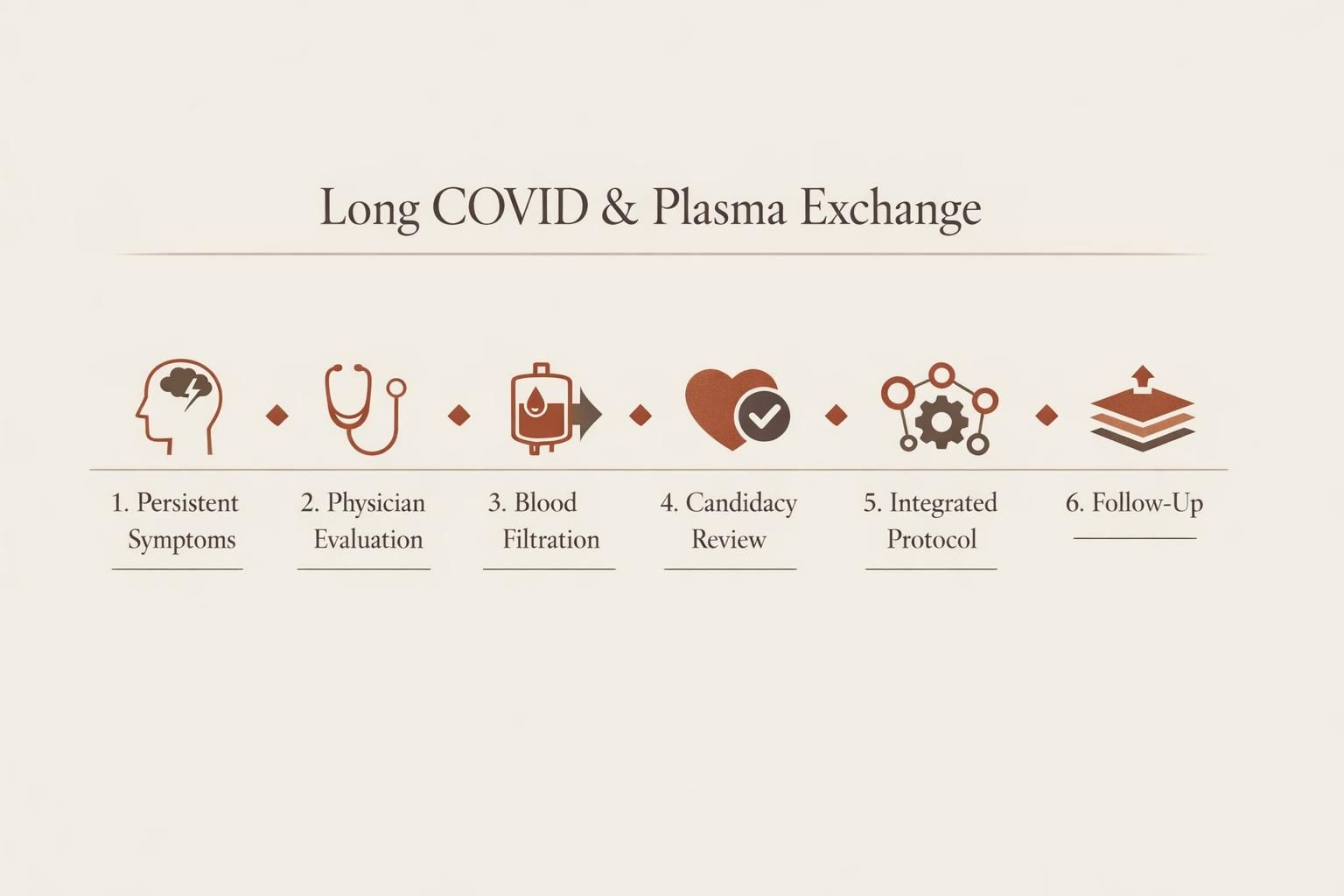
Several factors matter when evaluating candidacy. These include the severity and duration of symptoms, inflammatory marker levels, cardiovascular status, immune function, and whether the patient has tried other evidence-informed approaches first. A thorough medical evaluation should always precede any decision.
Patients should also understand that plasma exchange addresses circulating factors. It does not directly repair damaged tissue, restore mitochondrial function, or resolve neurological changes that may have developed over time. This is why many physicians and researchers are exploring plasma exchange as part of a broader, integrated protocol rather than as a standalone intervention.
How This May Fit Into a Broader Regenerative Medicine Protocol
At Cellular Institute, the approach to complex inflammatory and post-viral conditions is never one-dimensional. Blood-based therapies that support detoxification and inflammation reduction may be considered as one component of a more complete personalized protocol.
For patients dealing with persistent inflammatory burden, EBOO therapy in Cancún is one advanced blood filtration modality the clinic offers. EBOO, or Extracorporeal Blood Oxygenation and Ozonation, filters the blood extracorporeally and combines ozone exposure with filtration. It may support the reduction of oxidative stress and systemic inflammation. Patients researching plasma exchange for long COVID may find EBOO to be a relevant and complementary option worth understanding.
Beyond blood-based approaches, a complete recovery-focused protocol may also include therapies designed to support cellular repair and immune modulation. Exosome therapy delivers extracellular vesicles that carry signaling molecules capable of influencing immune response and cellular communication. This may support tissue recovery and anti-inflammatory processes in ways that complement blood filtration approaches.
Recovery technologies such as hyperbaric oxygen therapy, red light therapy, and PEMF may also play a role in supporting mitochondrial function, circulation, and neurological recovery. Recovery technologies at Cellular Institute are integrated into patient protocols based on individual clinical need, not offered as generic add-ons.
Additionally, peptide therapy may support immune regulation, tissue repair, and energy metabolism in post-viral recovery contexts. Specific peptides have demonstrated interest in preclinical and early clinical research for their roles in modulating immune response and reducing inflammatory signaling.
The Role of Physician Oversight in Long COVID Protocols
Long COVID is not a single condition. It is a heterogeneous syndrome with multiple overlapping mechanisms. This makes physician-guided evaluation critical. A protocol that helps one patient may not be appropriate for another.
Dr. Roni Moya, Immunologist at Cellular Institute, brings specific expertise in immune health and chronic inflammation. For patients whose long COVID presentation involves immune dysregulation, autoimmune-like features, or persistent inflammatory markers, having an immunologist involved in protocol design matters. Immune-focused evaluation helps identify which interventions may be most appropriate for the individual patient’s profile.
Medical Director Dr. Rafael Moguel, a cardiologist with deep experience in regenerative medicine, also contributes to clinical oversight. Cardiovascular considerations are particularly relevant for long COVID patients, many of whom report post-exertional malaise, heart rate variability changes, and circulatory symptoms that require careful evaluation before any advanced therapy.
Who May Be a Candidate
Patients who may benefit from exploring advanced regenerative protocols for long COVID include those with documented persistent symptoms lasting more than three months after acute infection, elevated inflammatory markers on laboratory testing, symptoms that have not responded adequately to standard care, and no contraindications to blood-based or regenerative therapies.
Candidate evaluation must be individualized. There is no universal protocol for long COVID. The physician team reviews medical history, current symptoms, laboratory values, and treatment goals before recommending any approach.
Who May Not Be a Candidate
Some patients may not be appropriate candidates for plasma exchange or advanced blood filtration therapies. These include patients with active uncontrolled infections, certain clotting or bleeding disorders, severe cardiovascular instability, or other conditions that increase procedural risk. A thorough medical evaluation will identify these factors before any recommendation is made.
Questions to Ask Before Choosing a Clinic
If you are researching plasma exchange or advanced blood therapies for long COVID, ask potential providers the following questions before making any decision.
- Does the clinic perform a full medical evaluation before recommending any therapy?
- Is there physician oversight throughout the protocol, not just at the initial consultation?
- Does the clinic offer integrated protocols, or only a single procedure?
- What monitoring and follow-up does the clinic provide after treatment?
- Are the therapies offered appropriate for your specific symptom profile and medical history?
- Does the clinic have experience working with post-viral or immune-related conditions?
For patients considering treatment outside their home country, understanding how to evaluate clinic quality is essential. Reading guidance on how to choose a stem cell clinic in Mexico can help patients ask better questions and avoid common pitfalls when researching medical tourism options.
Frequently Asked Questions
Is plasma exchange approved as a treatment for long COVID?
Plasma exchange is not currently an established or approved standard treatment for long COVID. Research is ongoing. Some pilot studies and case reports have reported encouraging results, but large randomized controlled trials are still needed. Any decision to pursue plasma exchange should involve a physician evaluation and a careful review of individual clinical factors.
What is the difference between plasma exchange and EBOO therapy?
Both involve processing blood outside the body, but they work differently. Plasma exchange removes plasma and replaces it with a substitute solution to reduce circulating proteins, antibodies, and inflammatory factors. EBOO filters the blood and exposes it to ozone to support oxidative stress reduction and inflammation modulation. They are distinct procedures with different mechanisms. A physician can help determine which approach, if either, may be relevant for a given patient.
Can regenerative medicine help with long COVID symptoms?
Certain regenerative and integrative approaches are being explored in the context of post-viral recovery. These include blood filtration therapies, exosome therapy, hyperbaric oxygen, peptide protocols, and immune-modulating strategies. Results vary by patient. No approach is proven to eliminate long COVID, and physician evaluation is required to determine what may be appropriate for any individual case.
Is it safe to travel to Cancún for long COVID treatment?
Many international patients travel to Cancún for advanced regenerative care. Cellular Institute provides full patient coordination, bilingual support, airport logistics, and medical oversight throughout the stay. Patients with long COVID should discuss travel readiness with their physician before planning any medical trip, as post-exertional considerations may affect timing and logistics.
Final Thoughts
Long COVID has left millions of patients searching for answers that conventional medicine has not yet fully provided. Plasma exchange represents one area of active research interest, and it reflects a broader principle: that reducing circulating inflammatory and immune-dysregulating factors may support recovery in ways that symptom management alone cannot.
At Cellular Institute, the team takes a personalized, physician-guided approach to complex inflammatory and post-viral conditions. No single therapy resolves every dimension of long COVID. The goal is to build a protocol around the patient’s specific biology, history, and goals. That means combining the right tools in the right sequence under medical supervision.
If you are living with persistent long COVID symptoms and have not found adequate relief through standard care, speaking with a specialist team may help you understand what options could be appropriate for your situation. To learn more about regenerative medicine in Cancún and how an integrated protocol might support your recovery journey, we invite you to schedule a discovery call with our patient coordination team. There is no obligation. The first step is simply a conversation.
Medical Disclaimer
This article is for educational purposes only and does not replace medical advice, diagnosis, or treatment. Regenerative therapies are not appropriate for every patient, and outcomes vary. A licensed physician must evaluate your medical history, goals, and candidacy before any treatment can be recommended.