
Regenerative & Cell Therapies
Advanced Cellular Medicine Designed to Support Healing, Longevity, and Performance
Advanced Cellular Medicine Designed to Support Healing, Longevity, and Performance
At Cellular Hope Institute, regenerative medicine is not a single procedure — it is a medical system.
We combine advanced cell therapies, exosomes, immune modulation, and recovery technologies under strict medical oversight to support the body's natural ability to repair, regulate inflammation, and restore function.
Every protocol is personalized, guided by diagnostics, and performed in a fully licensed medical environment with in-house laboratory capabilities.
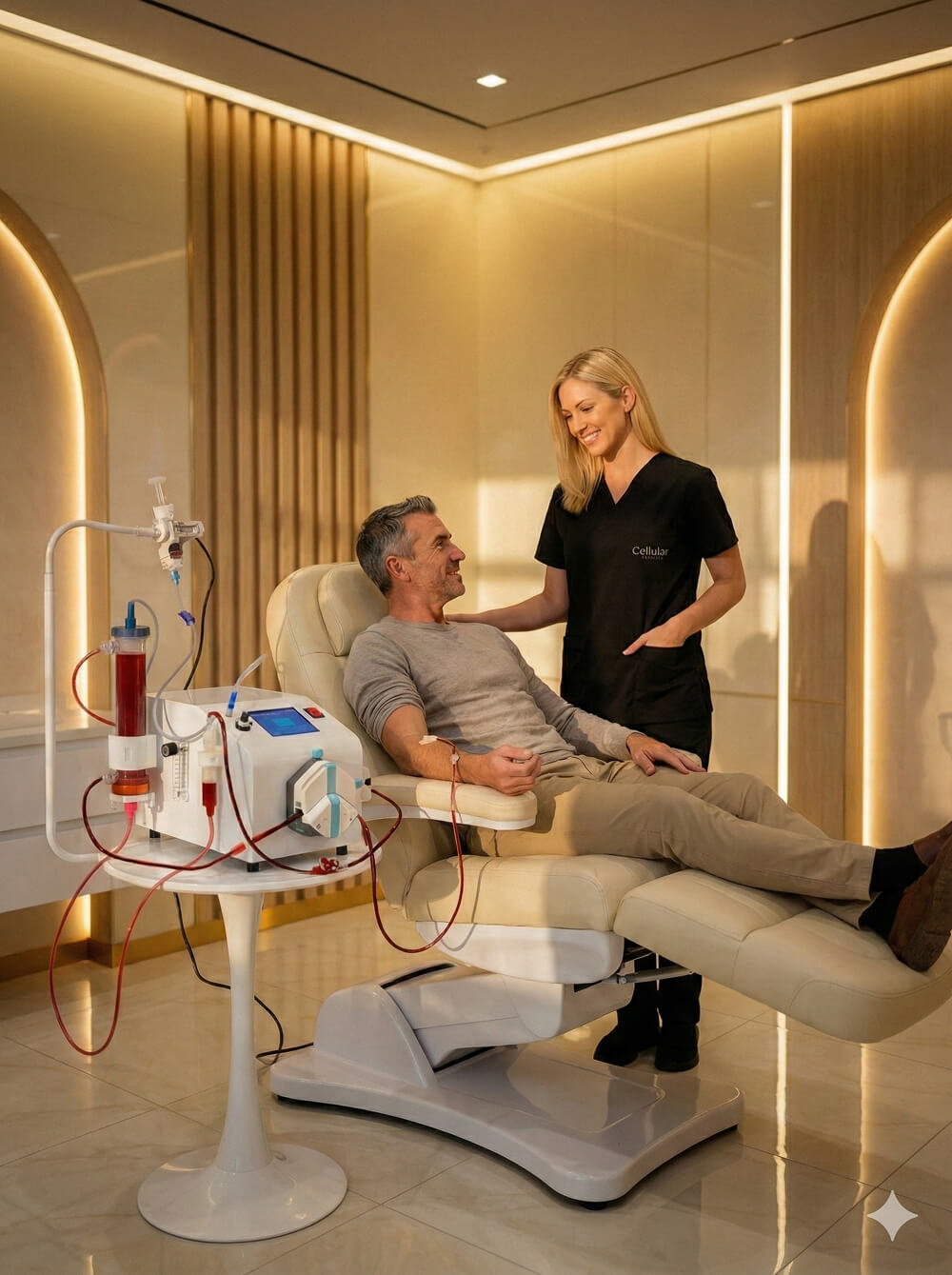

What Makes Our Regenerative Approach Different
Unlike clinics that offer isolated treatments, Cellular Hope Institute operates as an integrated regenerative platform:
- In-house cell processing & quality control
- Physician-led protocols, not sales-driven packages
- Combination therapies (cells + exosomes + recovery + immune support)
- Strict patient selection and medical screening
- Focus on long-term biological outcomes, not quick fixes
Our goal is not to "sell cells," but to create the right biological environment for those cells to work effectively.
Mesenchymal Stem Cell Therapy (MSC)
Mesenchymal Stem Cells (MSCs) are one of the most widely studied cell types in regenerative medicine. They are known for their ability to modulate inflammation, support tissue repair, and communicate with the immune system through signaling molecules.
At Cellular Hope Institute, MSC therapy is used as part of a structured medical protocol, not a standalone injection.
Potential therapeutic support includes:
Joint & Cartilage
Joint and cartilage degeneration
Spine & Disc
Spine and disc-related conditions
Inflammation
Chronic inflammation
Autoimmune
Autoimmune-related dysfunction
Recovery
Recovery from injury or surgery
Longevity
Systemic health and longevity optimization
How we use MSCs: MSCs may be delivered intravenously, intra-articularly, or locally, depending on the clinical objective. In many cases, MSC therapy is combined with exosomes, immune modulation, and recovery technologies to enhance results.
Exosome Therapy
Cellular Communication, Not Cells
Exosomes are nano-sized extracellular vesicles released by cells. They act as biological messengers, carrying growth factors, proteins, and genetic signals that help regulate inflammation, tissue repair, and cellular communication.
Exosomes are not stem cells — they are one of the key mechanisms by which cells exert their effects.
Why exosomes matter:
- Support anti-inflammatory signaling
- Enhance tissue repair environments
- Aid immune system regulation
- Can be used repeatedly as follow-up or maintenance therapy
At Cellular Hope Institute, exosomes are often used to support, extend, or enhance cell-based therapies.
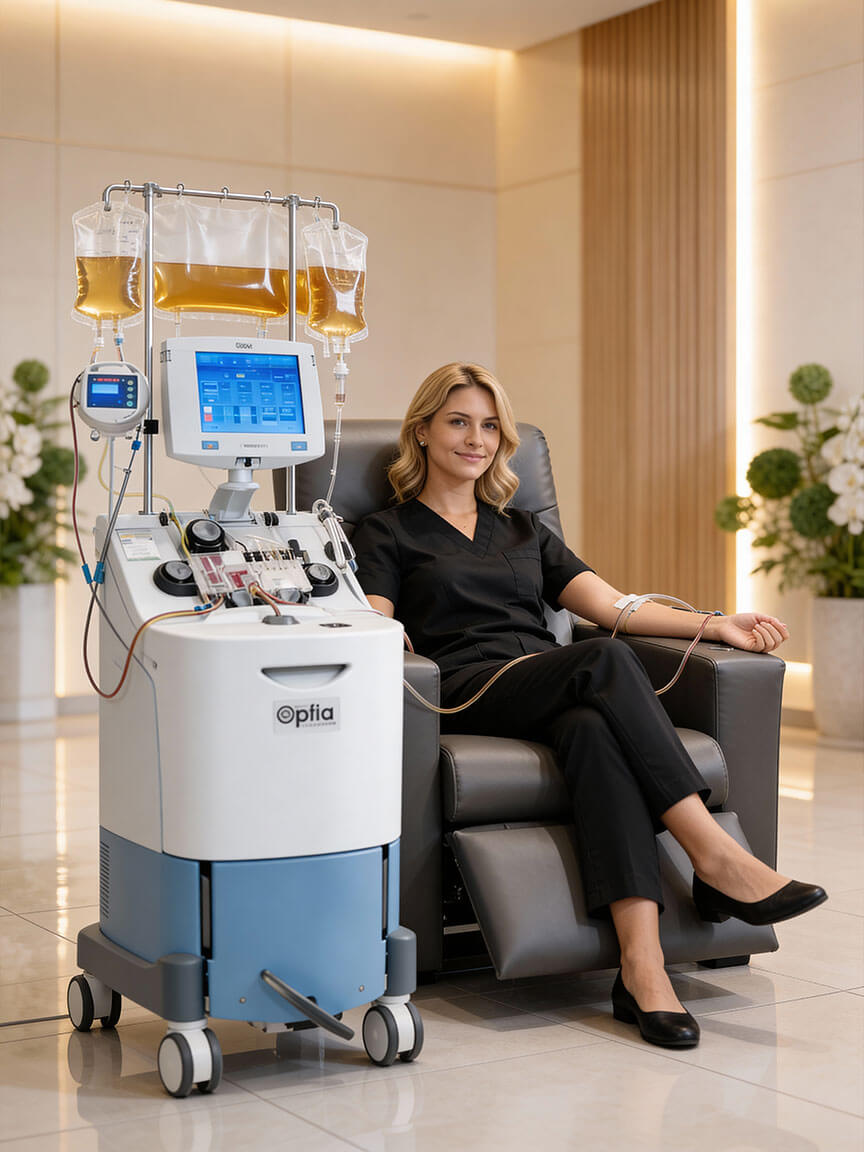
Exosome Delivery Methods
Exosomes can be administered through multiple routes, each optimized for specific clinical objectives:
IV Exosomes
Systemic Biological Support
Intravenous exosomes are used for systemic biological support. They circulate throughout the body and may help:
- Reduce systemic inflammation
- Support immune balance
- Promote recovery at a cellular level
- Complement MSC or immune-based therapies
Commonly used as part of:
- Longevity protocols
- Autoimmune support programs
- Recovery and inflammation reduction strategies
Nebulized Exosomes
Respiratory & Immune Support
Nebulized exosomes are delivered through inhalation, allowing direct interaction with the respiratory system. Often considered in protocols focused on:
- Pulmonary health
- Chronic respiratory conditions
- Post-viral or post-inflammatory lung support
- Systemic immune regulation via the lungs
This method allows localized exposure while still contributing to systemic immune signaling.
Intra-articular Exosomes
Joint-Focused Protocols
Intra-articular exosomes are applied directly into joints to support:
- Joint health and lubrication
- Reduction of local inflammation
- Cartilage support and recovery
- Post-injury or degenerative joint conditions
Frequently used alone or alongside MSC therapy for joint-focused protocols.
Advanced Cell Therapies
Beyond MSCs and exosomes, Cellular Hope Institute evaluates and applies additional specialized cell therapies based on patient indication:
MUSE Cells
Stress-Enduring, Repair-Oriented Cells
MUSE cells (Multilineage-differentiating Stress-Enduring cells) are a unique subpopulation of stem cells known for their ability to:
- Home to damaged tissue
- Survive harsh inflammatory environments
- Participate in tissue repair processes
These cells are being explored for more targeted regenerative strategies, particularly where traditional environments may be hostile to cell survival. At CHI, MUSE cells are considered case by case.
Natural Killer (NK) Cell Therapy
Immune Surveillance & Modulation
Natural Killer (NK) cells are a critical component of the immune system, involved in immune surveillance and regulation.
NK cell-based protocols may be explored in contexts involving:
- Immune system balance
- Chronic inflammatory states
- Immune support and modulation strategies
Our approach focuses on medical indication, safety, and integration with other immune-modulating therapies.
Stromal Vascular Fraction (SVF)
Adipose-Derived Regenerative Cells
SVF is derived from adipose (fat) tissue and contains a mixture of regenerative and supportive cells, including progenitor cells, immune cells, and growth factors.
- Joint and musculoskeletal conditions
- Soft tissue repair
- Inflammatory modulation
Because SVF is autologous (derived from the patient), strict screening and processing protocols are essential.
Bone Marrow-Derived Cell Therapy
Established in Regenerative Medicine
Bone marrow-derived cells have long been used in regenerative and orthopedic medicine. These protocols may be considered for:
- Musculoskeletal conditions
- Joint degeneration
- Spine-related issues
At Cellular Hope Institute, bone marrow-derived therapies are evaluated carefully and often combined with biological optimization strategies to support outcomes.
A Personalized, Physician-Led Process
Every regenerative protocol at Cellular Hope Institute follows a structured medical pathway:
01
Medical review & diagnostics
02
Patient selection and eligibility
03
Protocol design (often combining therapies)
04
Controlled medical application
05
Post-treatment support and follow-up
Not every patient is a candidate for every therapy — and that is intentional. Our focus is appropriate care, not volume.
Supporting Therapies That Enhance Results
Regenerative outcomes depend on the biological environment. That's why many patients also integrate:
IV Nutrient & Peptide Support
IV nutrient and peptide support to optimize cellular function
Hyperbaric Oxygen Therapy
HBOT to improve tissue oxygenation and support healing
Red Light & Recovery
Red light and recovery technologies to enhance mitochondrial function
Immune Modulation
Immune modulation protocols to regulate inflammatory response
Hormonal Optimization
Hormonal and metabolic optimization for systemic balance
Start With a Medical Evaluation
If you are exploring regenerative or cell-based therapies, the first step is not choosing a treatment, but understanding whether it is appropriate for you.
Schedule a medical consultation to review your condition, goals, and options with our clinical team.