
Pulmonary & Systemic Conditions
Regenerative and Functional Medicine Approaches for Complex, Chronic Illness
Beyond Conventional Care
Chronic pulmonary and systemic conditions often affect far more than the lungs or immune system alone. They impact energy, inflammation, oxygen utilization, recovery capacity, and quality of life.
At Cellular Hope Institute, we approach these conditions through a systems-based regenerative and functional medicine model — combining cellular therapies, immune modulation, metabolic support, and recovery technologies to support the body as a whole.
Our goal is not to replace conventional care, but to support biological recovery, regulation, and resilience, especially in patients who continue to struggle despite standard approaches.

A Different Way of Treating Complex Conditions
Many chronic pulmonary and inflammatory conditions share common underlying mechanisms:
- Persistent inflammation
- Immune dysregulation
- Impaired tissue repair
- Mitochondrial and energy dysfunction
- Poor oxygen utilization
Rather than focusing on one organ or one symptom, our protocols are designed to:
Biological Environment
Improve the biological environment in which healing occurs
Immune Balance
Support immune and inflammatory balance
Tissue Repair
Enhance tissue repair signaling
Systemic Resilience
Improve systemic resilience and recovery
This approach reflects best practices seen in leading longevity and functional medicine clinics — adapted to regenerative medicine and advanced cellular therapies.
Chronic Obstructive Pulmonary Disease (COPD)
Supporting Lung Function and Systemic Health
COPD is not only a lung condition — it is a systemic inflammatory disease that affects oxygen delivery, energy production, and overall resilience.
At Cellular Hope Institute, COPD-focused protocols may be designed to support:
- Reduction of chronic inflammation
- Improvement of the lung microenvironment
- Support of tissue repair signaling
- Enhanced oxygen utilization and recovery
The focus is on supporting function and quality of life, not making unrealistic promises.
Our Approach Integrates
Mesenchymal Stem Cells (MSCs) for their immunomodulatory and anti-inflammatory signaling
Exosome therapy to support cellular communication and repair pathways
Peptides to assist immune balance, tissue integrity, and recovery
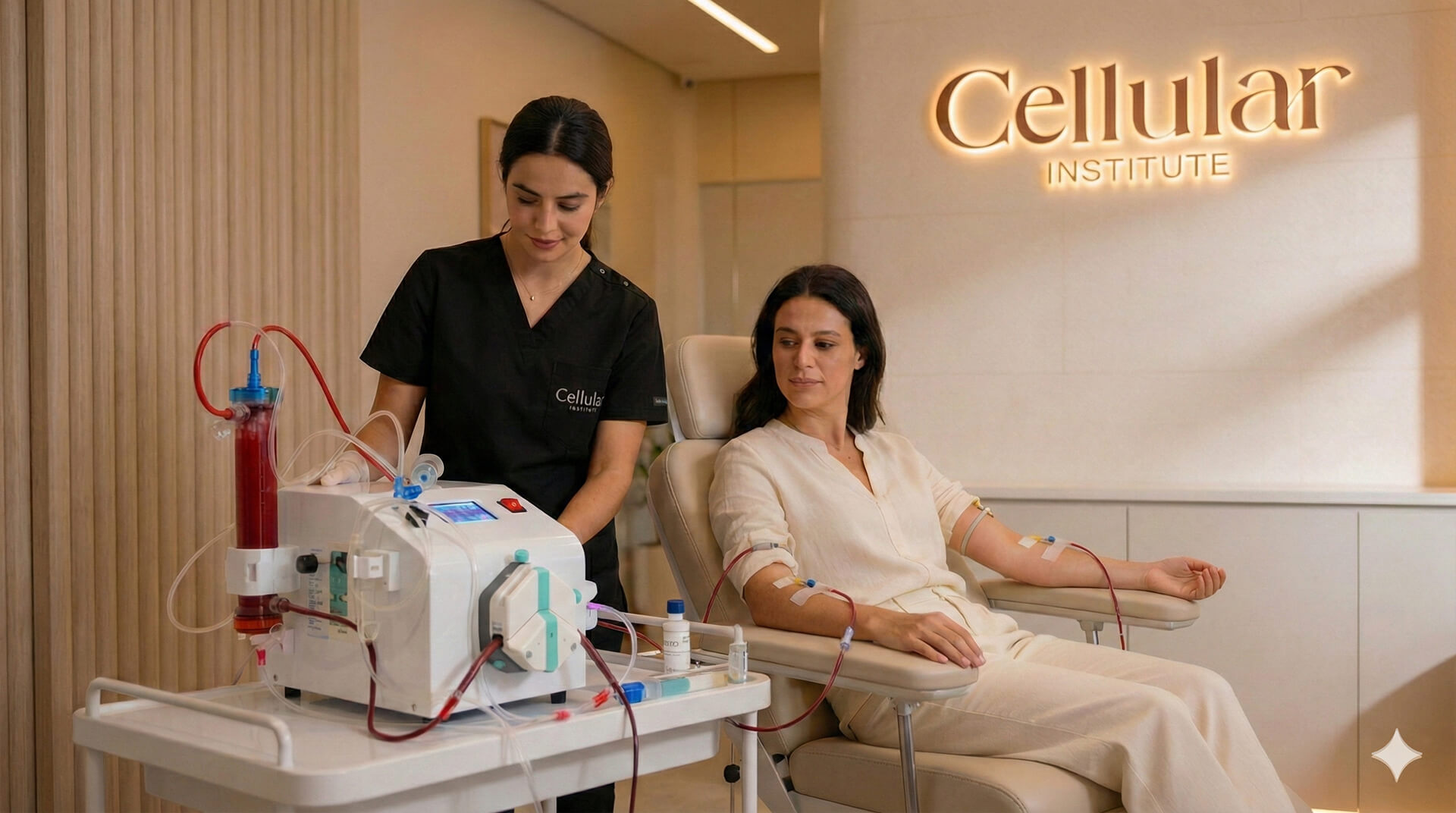
Recovery technologies, such as hyperbaric oxygen therapy, when appropriate

Pulmonary Fibrosis
Addressing Inflammation, Repair Signaling, and Systemic Stress
Pulmonary fibrosis involves scarring, chronic inflammation, and impaired tissue repair. While this condition is complex, regenerative medicine offers tools that may help support the biological environment involved in lung health.
Protocols may focus on:
Inflammatory Signaling
Modulating inflammatory signaling
Repair Pathways
Supporting tissue repair pathways
Oxygen & Energy
Improving oxygen delivery and cellular energy
Systemic Stress
Reducing systemic stress that worsens pulmonary function
At Cellular Hope Institute, regenerative strategies for pulmonary fibrosis are highly individualized, often combining:
- MSC-based immune modulation
- Exosome signaling support
- Peptide therapy targeting inflammation and tissue repair
- Metabolic and mitochondrial support
All cases are evaluated carefully to ensure appropriateness and safety.
Post-COVID & Long-COVID Recovery
Supporting Recovery After Systemic Viral Stress
Post-COVID and Long-COVID syndromes often involve:
- Persistent inflammation
- Immune dysregulation
- Fatigue and exercise intolerance
- Respiratory symptoms
- Cognitive and neurological complaints
These patients frequently experience multi-system involvement, which is why a narrow, symptom-only approach often falls short.
Our Recovery Protocols Support
- Immune system recalibration
- Reduction of chronic inflammatory signaling
- Improved mitochondrial and energy function
- Support of pulmonary and systemic recovery
Therapies may include:
MSCs and Exosomes
For immune modulation and repair signaling
Peptides
To support immune regulation, tissue healing, and resilience
IV Support
Nutrient and metabolic support
Recovery Technologies
To improve oxygenation and cellular recovery
The emphasis is on helping the body regain balance over time, not quick fixes.
Chronic Fatigue & Inflammatory Syndromes
When Inflammation Drains Energy and Function
Chronic fatigue and inflammatory syndromes are often misunderstood and under-treated. Many patients experience:
- Profound fatigue
- Brain fog
- Exercise intolerance
- Diffuse pain and inflammation
These conditions are frequently linked to:
Immune Dysregulation
Mitochondrial Dysfunction
Chronic Inflammatory Signaling
At Cellular Hope Institute, protocols may be designed to:
- Reduce inflammatory burden
- Support mitochondrial and cellular energy production
- Improve immune communication
- Enhance recovery capacity
This is where regenerative medicine, peptides, and functional strategies intersect most clearly.
The Role of Regenerative Therapies in Systemic Conditions

Mesenchymal Stem Cells (MSCs)
MSCs are valued for their ability to:
- Modulate immune responses
- Reduce inflammation
- Support tissue repair signaling
They are often used as a systemic regulatory therapy, not as a localized treatment.
Exosome Therapy
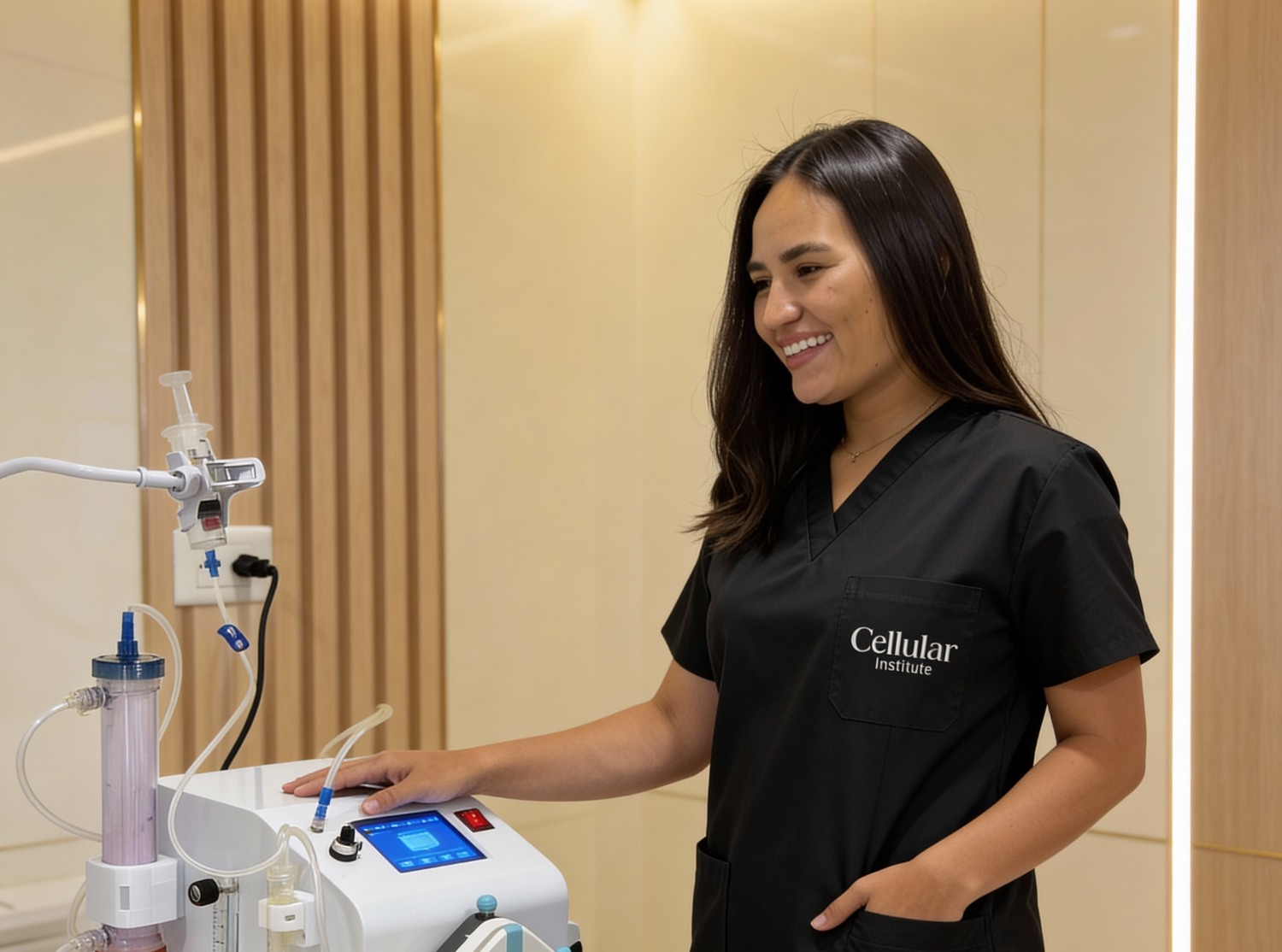
Exosomes act as cellular messengers, helping coordinate:
- Immune signaling
- Inflammatory control
- Tissue repair environments
They are commonly used to extend or enhance regenerative effects over time.
MUSE Cells
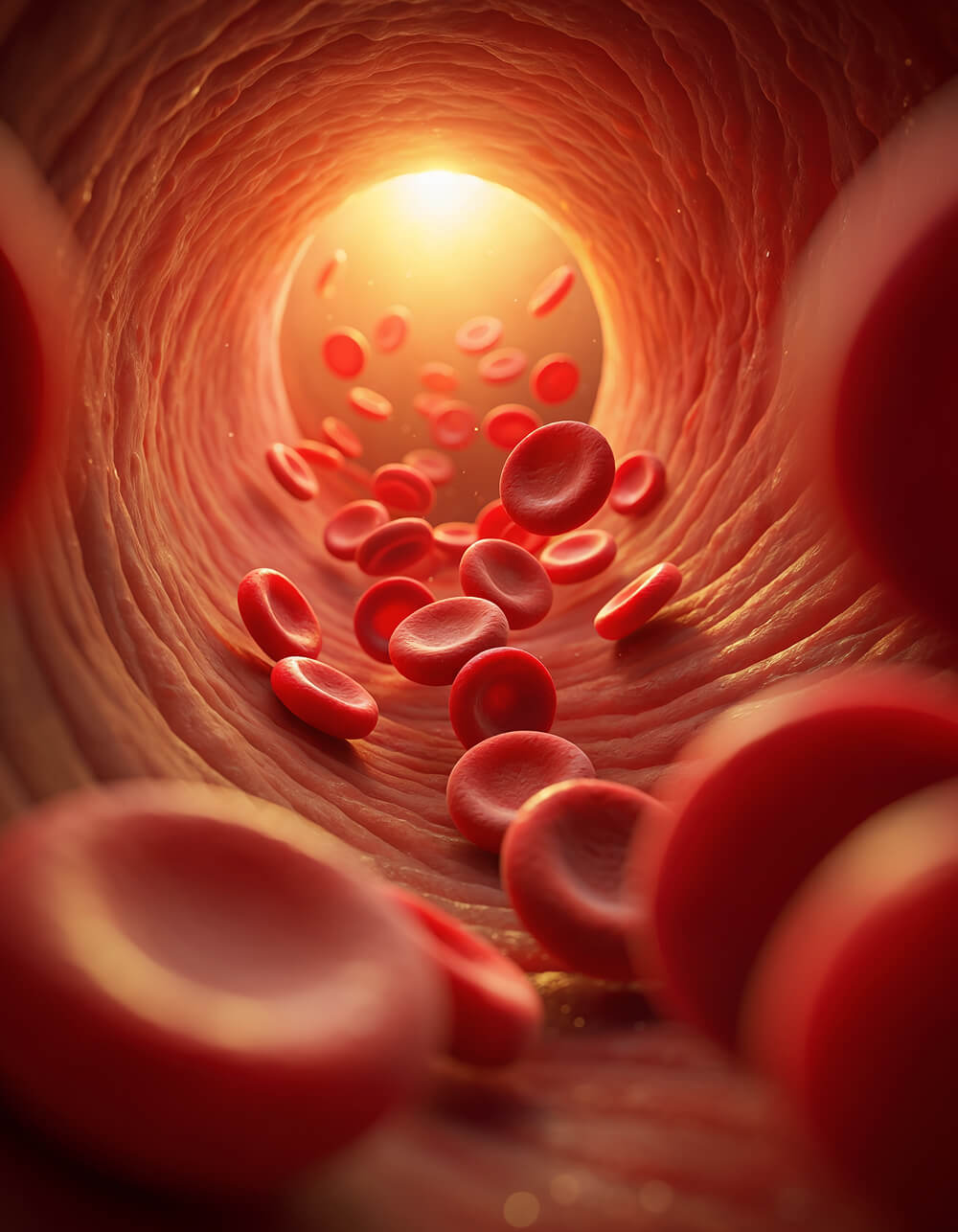
MUSE cells are being explored for their ability to:
- Survive inflammatory environments
- Home toward damaged tissue
- Participate in repair signaling
Their use is considered case by case, depending on clinical goals.

Peptide Therapy
Peptides play a key role in:
- Immune modulation
- Tissue repair
- Mitochondrial and energy support
Peptides supporting immune signaling, tissue integrity, and metabolic resilience are often integrated into systemic protocols.
Why Cellular Hope Institute Is Different
What distinguishes our approach is integration and restraint:
Physician-Led Protocols
Advanced Therapies Under One Roof
Functional Medicine Principles
Applied to complex illness
Biological Environment Focus
Not isolated symptoms
Ethical Decision-Making
Patient-specific care
We do not promise cures. We focus on supporting recovery, function, and quality of life.
Is This Approach Right for You?
A Personalized, Step-by-Step Process
01
Comprehensive Medical Evaluation
02
Review of Diagnostics and History
03
Determination of Eligibility
04
Personalized Protocol Design
05
Ongoing Support and Follow-Up
Not every patient is a candidate for every therapy — and that is part of responsible care.
Take the First Step
Patients seeking regenerative and functional support for pulmonary or systemic conditions often come to us after exhausting conventional options.
The first step is a medical consultation to determine whether regenerative and integrative therapies may be appropriate for your situation.