
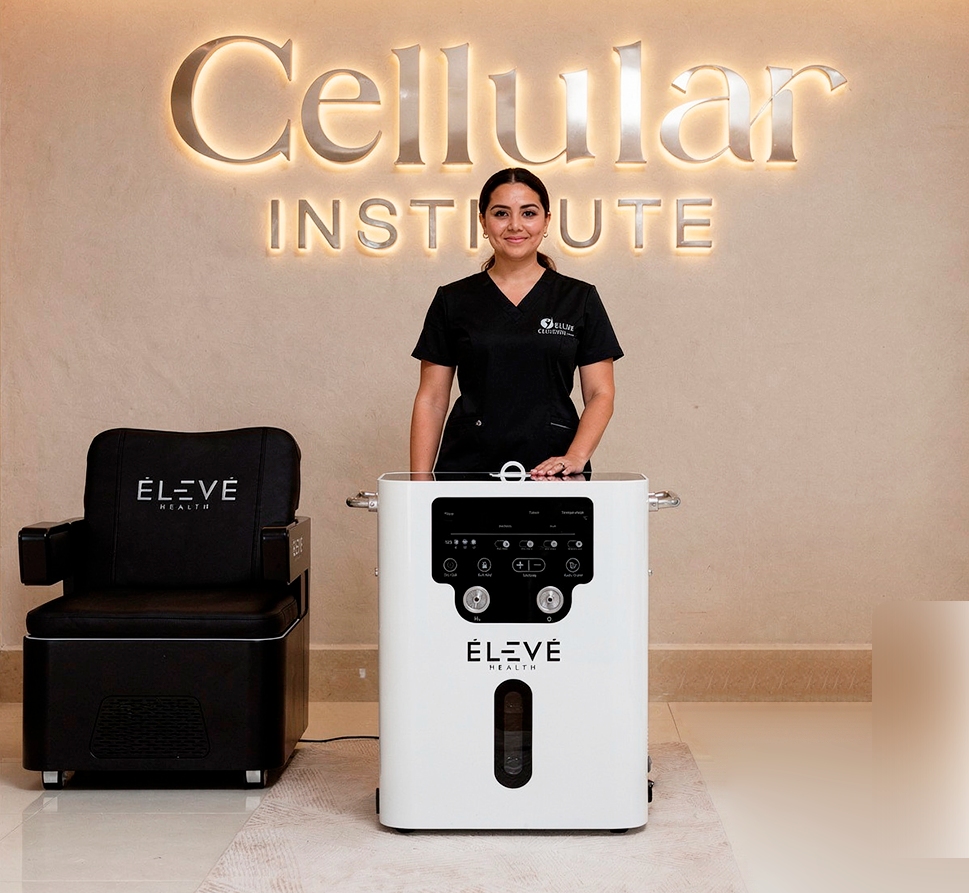
What are the key differences between EBOO vs 10-pass Ozone therapy? Learn more in this article by Cellular Hope Institute.
If you’ve been dealing with low energy, stubborn inflammation, brain fog, or just a sense that your body isn’t functioning at its best, we know exactly how you feel – we’ve been there. Luckily, ozone treatments may be the key to feeling like yourself again.
Over the past few years, it has become one of the most effective methods for boosting energy, clearing out brain fog, and supporting natural healing and recovery processes, especially for people who feel like they’ve tried everything else and nothing is working.
But how do you choose which type of ozone treatment is right for you? In today’s article, we will be looking at the differences between EBOO vs 10-Pass Ozone therapy, so you can understand what they are, and figure out which one might align better with your goals.
EBOO vs 10-Pass Ozone Therapy: 7 Key Differences
Before we get into the differences between EBOO vs 10-Pass Ozone therapy, let’s take a quick second to look at the similarities so we can truly understand what each one is. To sum it up, let’s just say that both:
- Work by drawing blood from the body, exposing it to medical-grade ozone, and returning it back to you
- Aim to improve how your body uses oxygen at the cellular level
- Support circulation and overall blood flow
- Stimulate the body’s natural antioxidant defenses
- Help regulate and balance immune function
- Are typically performed in a clinical setting under medical supervision
- Are used as part of a broader wellness or integrative health plan
In other words, both therapies are built on the same core idea: support your body from the inside out by improving oxygen delivery, circulation, and overall cellular function. But they delivered in slightly different ways.
How do EBOO vs 10-pass Ozone Therapy Differ?
And now, let’s get into more detail about the differences between EBOO vs 10-Pass Ozone Therapy. This will help you get a better idea of what each treatment is, and how you can choose the one that aligns with your goals the best.
1. They Have a Different Method of Blood Processing
Let’s begin with one of the most important differences when comparing EBOO vs 10-Pass Ozone: the method used for the processing of blood. We will try to explain it as simply as possible:
- EBOO Therapy – with EBOO therapy, your blood flows continuously through a specialized machine during the session. As it moves through the system, it’s oxygenated, gently exposed to ozone, and filtered before being returned to your body; all in one smooth, ongoing process.
- 10-Pass Ozone – with 10-Pass, the treatment happens in cycles. A small amount of blood is drawn, mixed with ozone, and then returned to you. That process is repeated about ten times in the same session. It’s more of a step-by-step approach rather than one continuous flow.
In simple terms, EBOO works like a continuous circulation system, while 10-Pass follows a repeated cycle process. Same goal, just two different ways of getting there.
2. They Process Different Volumes of Blood
Speaking of the differences between EBOO vs 10-Pass Ozone, another key component is the amount of blood volume treated per session.
- EBOO Therapy – the system runs continuously and can process roughly 2.5 to 3 liters of blood (or more) during one session, depending on the protocol and patient. Considering the average adult has about 5 liters of blood total, that means a large portion of your circulation is treated in a single visit.
- 10-Pass Ozone – each cycle typically treats about 200 mL per pass, adding up to around 2 liters total over the course of ten passes. So while it’s still a significant volume, it’s generally slightly less than what EBOO can process in one continuous session.
When it comes to blood processing, this is one of the main benefits of EBOO therapy – because more of your blood is treated in one session,you may feel a more noticeable, full-body effect, like improved energy, better clarity, and a stronger overall reset.
3. They Use Different Levels of Filtration
When it comes to technical differences, EBOO vs 10-Pass Ozone also vary in terms of filtration levels. Here is what that means for each treatment:
- EBOO Therapy – EBOO typically includes a built-in filtration system. As your blood moves through the machine, it passes through a filter designed to help remove certain waste products and impurities before being returned to your body.
- 10-Pass Ozone – 10-Pass does not include a filtration component. The blood is ozonated and reinfused, but it isn’t mechanically filtered during the process.
In simple terms, EBOO adds a “cleaning” step, while 10-Pass focuses purely on ozone exposure.
4. They Vary in Intensity and Systemic Impact
Did you know that you may also notice a variation in intensity and systemic impact when comparing EBOO vs 10-Pass Ozone? Of course, this may vary by person, but there could be a noticeable difference in how intense the session feels for you.
- EBOO Therapy – because it treats a larger amount of your blood in one continuous flow and includes filtration, EBOO is often chosen when you’re looking for a more noticeable, full-body reset, especially if you are on vacation and trying to take the maximum advantage of it.
- 10-Pass Ozone – with 10-Pass, you’re still getting a strong and effective ozone treatment, just delivered in smaller, repeated rounds. If you prefer a powerful approach that feels a bit more gradual and step-by-step, this option can feel more balanced while still supporting energy, circulation, and overall wellness.
In short, if you’re looking for something that feels like a broader, more complete system-wide reset, EBOO may appeal to you. If you prefer something strong but delivered in steady, repeated rounds, 10-Pass offers that more step-by-step stimulation.
5. They Use Different Equipment
The technology behind each treatment is also quite different, and that can influence your experience. This is another key component that needs to be evaluated when comparing EBOO vs 10-Pass Ozone.
- EBOO Therapy – EBOO uses a specialized circulation machine that oxygenates, ozonates, and filters your blood as it flows through the system. It’s more advanced equipment, which is why you’ll usually find it in clinics that focus heavily on integrative or advanced therapies.
- 10-Pass Ozone – 10-Pass uses IV lines and a pressurized ozone system to mix your blood with ozone before returning it to you. The setup is simpler and more streamlined, but it still delivers a strong therapeutic effect.
In simple terms, EBOO relies on more complex machinery, while 10-Pass uses a more straightforward system to achieve a similar goal.
6. The Have a Unique Session Structure
Another difference when comparing EBOO vs 10-Pass Ozone is that you’ll notice how the session itself feels from start to finish.
- EBOO Therapy – once the treatment begins, it runs continuously. Your blood circulates through the system in one steady flow for about 45 to 90 minutes, depending on your protocol. It feels smooth and uninterrupted.
- 10-Pass Ozone – the session is divided into around ten cycles. Each time, a small amount of blood is drawn, treated with ozone, and returned to you. The full appointment usually lasts about 60 to 90 minutes, but the process happens in distinct rounds rather than one continuous flow.
So even if the total time is similar, the experience can feel different depending on which approach you choose.
7. They Differ in Costs
There’s also a practical side to consider if you are evaluating EBOO vs 10-Pass Ozone.
- EBOO Therapy – because it uses more advanced equipment and includes filtration, EBOO is generally more expensive. It’s also offered in fewer clinics, since not every facility has the specialized machine required.
- United States: Typically ranges from $900 to $1,500 per session, depending on the clinic and protocol.
- Mexico: Usually ranges from $500 to $1,400 per session, depending on the clinic and city.
- 10-Pass Ozone – 10-Pass is more widely available and tends to be more affordable. If accessibility and budget are important factors for you, this can be an easier option to start with.
- United States: Generally ranges from $500 to $975 per session, with many clinics falling between $650 and $900.
- Mexico: Often ranges from $100 to $500+ per session, depending on the provider and location.
EBOO vs 10-Pass Ozone: Which One Is Right For Me?
Now that we’ve seen the similarities and the differences between EBOO vs 10-Pass Ozone, it’s only fair that you are asking the key question: so, which one is right for me?
Clearly, both have their benefits and side effects, so how can you decide which one aligns with your goals? Here are our main recommendations.
Choose EBOO if…
- You’re looking for a more comprehensive, full-body reset in a single session.
- You want the added benefit of blood filtration along with oxygenation and ozonation.
- You prefer a continuous, all-in-one treatment that processes a larger volume of blood at once.
Choose 10-Pass Ozone if…
- You want a powerful ozone treatment delivered in steady, repeated rounds.
- You prefer a slightly less intensive (but still effective) approach.
- Accessibility and budget are important factors in your decision.
If you are still unsure which one is the best for you, don’t worry at all. Our experienced team at Cellular Hope Institute can help you decide the right option for you and your health situation with a simple free consultation. Just contact us.
Which is The Best EBOO Clinic in Cancún?
When asking which is the best EBOO clinic in Cancún, Cellular Hope Institute is widely regarded as one of the top options that you can choose from.
With licensed medical supervision, COFEPRIS certification, EBOO-trained physicians, certified equipment, and strict safety protocols, it stands out for its clinical standards, transparency, and personalized approach to patient care.
Are you ready to get started? Schedule a consultation today.
FAQ
Is EBOO more effective than 10-Pass Ozone?
While there aren’t large clinical trials directly comparing the two, most expert sources agree that EBOO may offer a more profound and systemic effect than 10-Pass Ozone, mainly because it treats a larger volume of blood continuously and includes filtration that removes waste products while infusing oxygen and ozone.
This broader approach may lead to stronger overall effects on circulation, detoxification, and systemic wellbeing in a single session, whereas 10-Pass Ozone delivers a powerful but more incremental ozone stimulus through repeated cycles.
Does EBOO detox better than 10-Pass?
EBOO is generally considered to support more extensive “detoxification” than 10-Pass because it combines continuous ozone exposure with a filtration step that helps clear cellular waste, inflammatory proteins, heavy metals, and other debris from the blood during treatment, something 10-Pass doesn’t include.
This means EBOO may produce a broader systemic cleansing effect in a single session, whereas 10-Pass primarily focuses on ozone exposure without actively filtering blood.
Is 10-Pass Ozone strong enough compared to EBOO?
Yes, 10-Pass Ozone is considered a strong and effective therapy. It delivers a high ozone stimulus through repeated cycles, which can support circulation and immune balance.
However, EBOO processes a larger volume of blood continuously and includes filtration, so it’s generally viewed as more intensive overall. The right choice depends on your goals and how deep an approach you’re seeking.
Which treatment is better for chronic inflammation?
Ozone-based therapies in general have been shown to reduce markers of inflammation and support improved circulation and oxygenation in the body, which can help ease chronic inflammatory processes.
Some evidence suggests that systemic ozone exposure, especially when combined with larger blood volume treatment and filtration like in EBOO, may more effectively reduce systemic inflammation than smaller-volume approaches like 10-Pass.
Which one helps more with low energy and fatigue?
Ozone therapies in general are thought to improve oxygen delivery and cellular metabolism, which can support better energy production and reduced fatigue symptoms. Both 10-Pass and EBOO aim to enhance oxygen use in your blood, which may help you feel more energized.
Because EBOO treats a larger volume of blood continuously, some people notice a stronger or quicker energy improvement with it, but both can be beneficial depending on your goals.